The Cebu property market continues to attract major national developers, while broader real estate activity across the Philippines is also expanding into new asset classes and regional growth areas.
In its June 2026 Market Intelligence report, Colliers highlighted three developments worth watching: DMCI Homes’ Kalea Heights in Cebu, Megaworld REIT’s planned expansion into retail and hospitality assets, and Aboitiz Economic Estates’ development of TARI Estate in Tarlac.
Among these developments, Kalea Heights is particularly relevant to Cebu’s residential market as DMCI Homes enters the city’s high-rise condominium sector for the first time.
DMCI Homes Brings Kalea Heights to Cebu
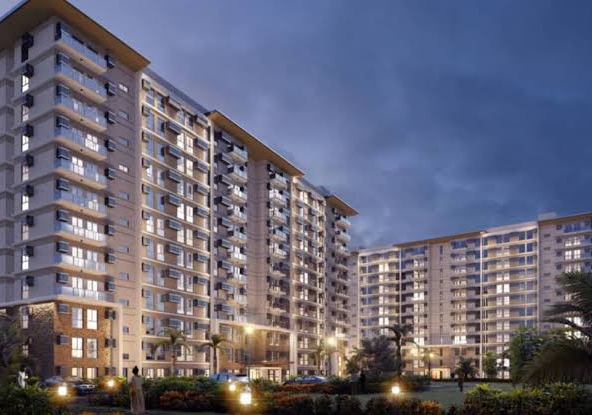
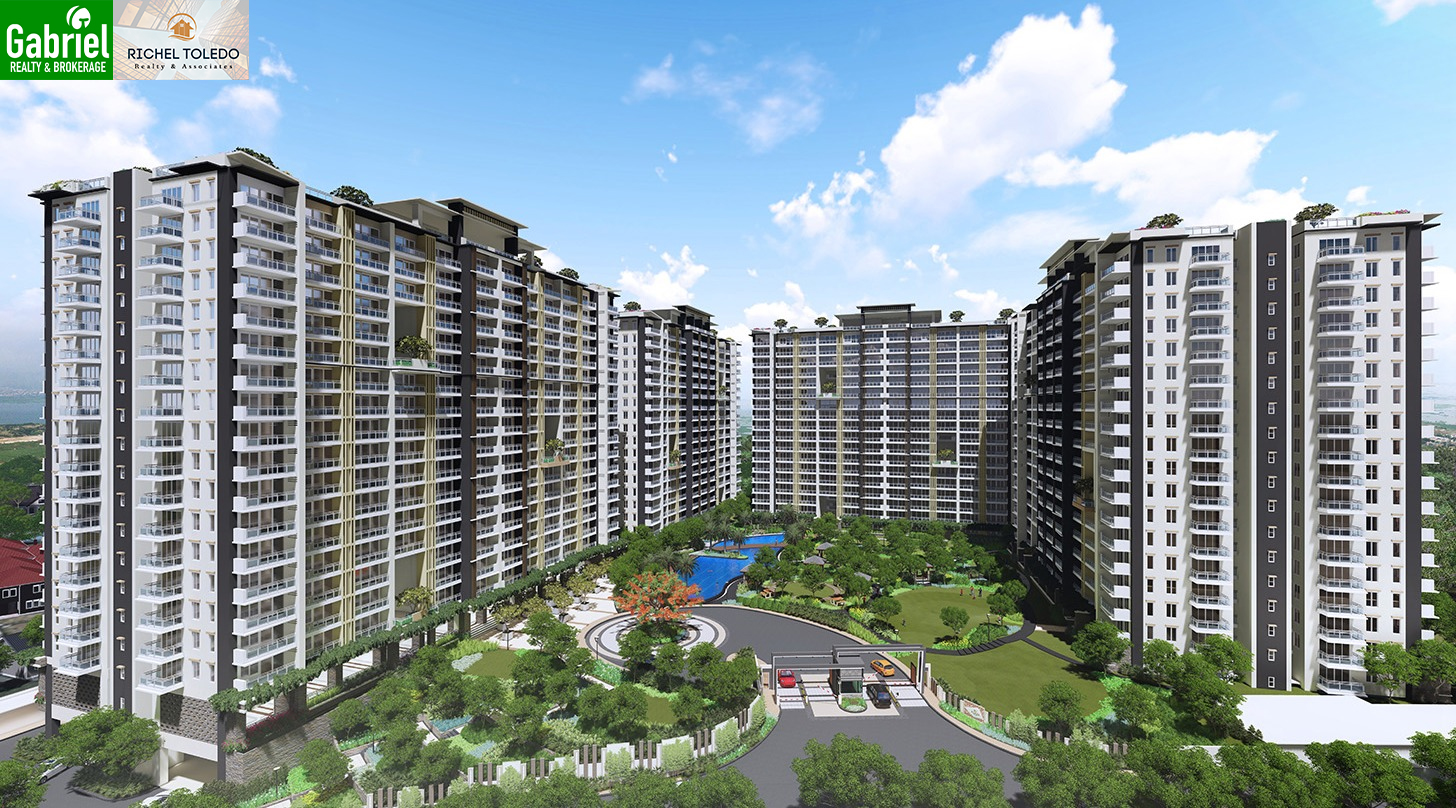
DMCI Homes is introducing Kalea Heights, its first high-rise residential project in Cebu.
According to Colliers, the development will bring features commonly associated with DMCI Homes’ Metro Manila projects to the Cebu market. One of the main features is the developer’s Lumiventt Design Technology, which is designed to improve natural ventilation, reduce heat buildup and reduce reliance on artificial lighting.
More than two-thirds of the property will be dedicated to parks, trails and communal areas. The first tower is planned to have 600 residential units, with prices ranging from approximately ₱5.6 million to ₱13.4 million based on the figures cited by Colliers.
The project represents another national developer entering Cebu’s high-rise residential market, adding to the range of condominium options available to local buyers and investors.
Why Cebu Continues to Attract National Developers
Colliers describes Cebu as a major residential market outside Metro Manila and notes that its strength comes partly from its ability to serve different residential market segments.
This diversity is important to Cebu’s property market. Demand is not limited to one type of buyer. The city and surrounding Metro Cebu areas serve end-users, professionals, families, investors and other segments with different budgets and property requirements.
Colliers also emphasizes the importance of value-for-money amenities and features as developers compete for Cebu buyers and investors.
For buyers considering a new condominium, this means comparing more than just unit size and price. Amenities, open spaces, building design, location and the project’s target market can all influence its appeal.
MREIT Expands Beyond Office Properties
The Colliers report also highlights a broader shift in the Philippine REIT market.
Megaworld REIT, or MREIT, plans to nearly double its portfolio to approximately 1 million square meters of gross leasable area through the addition of retail, hospitality and office assets.
The planned additions include major retail properties such as Eastwood Mall, Venice Mall, Lucky Chinatown Mall, Festive Walk Mall in Iloilo City and Southwoods Mall. Six office buildings and the Holiday Inn Express Manila in Newport City are also included in the planned portfolio expansion.
The development reflects how Philippine REITs are increasingly looking beyond traditional office assets toward other properties capable of generating recurring income.
Colliers notes that REITs can provide investors with regular dividend payouts, liquidity and portfolio diversification, while the asset classes being considered by REIT companies are becoming increasingly varied.
Aboitiz Develops a Major Industrial Estate in Tarlac
The third development highlighted by Colliers is TARI Estate, an industrial, commercial and mixed-use development by Aboitiz Economic Estates in Tarlac.
The company reported that the first 200 hectares of the estate were expected to become operational in the second quarter of 2026. The development includes office, retail, hospitality and industrial components and is projected to generate approximately 60,000 jobs.
Colliers expects around 930 hectares of new industrial supply to be delivered across Central Luzon between 2026 and 2028, supporting the region’s development as an industrial hub.
Although TARI Estate is outside Cebu, developments of this scale demonstrate the broader direction of Philippine real estate, where industrial, commercial, residential and mixed-use projects are expanding alongside infrastructure and employment growth.
What These Developments Mean for Property Buyers
The three developments highlighted by Colliers represent different parts of the Philippine property market.
Kalea Heights illustrates continued residential expansion in Cebu and the entry of another major national developer into the city’s high-rise condominium sector. MREIT’s expansion shows the growing diversity of income-generating property assets, while TARI Estate demonstrates the role of industrial development in creating new economic centers.
For Cebu property buyers, the most immediate takeaway is the continued interest of national developers in the local residential market.
However, a developer’s presence in a market does not automatically determine whether a particular property is suitable for every buyer. Location, pricing, unit type, amenities, surrounding development, supply and the property’s intended use should still be evaluated individually.
Cebu’s Residential Market Continues to Evolve
The introduction of Kalea Heights adds another option to Cebu’s growing condominium landscape while also bringing a different development approach into the local market.
As more national and established developers compete for Cebu buyers, project features and overall value become increasingly important. Buyers can expect developers to differentiate projects through amenities, open spaces, building design, sustainability features and other lifestyle-oriented offerings.
For the Cebu property market, this continued competition can provide buyers with more choices while making project-specific research increasingly important.
Credited Sources: https://www.colliers.com/en-ph/news/property-market-intelligence-dmci-megaworld-reit-aboitiz-06122026