The Cebu City water supply is facing additional pressure as the country prepares for a very strong El Niño event expected to persist into the first half of 2027. With the possibility of reduced rainfall and prolonged dry conditions, the Cebu City Government is preparing alternative water sources, requesting additional supply from the Metropolitan Cebu Water District (MCWD), and exploring infrastructure improvements to help prevent severe shortages.
For homeowners, condominium residents, property investors, and developers, these preparations are more than a public utility concern. Reliable water access is an essential part of residential convenience, building operations, and property livability. As Cebu continues to expand its residential and commercial developments, the ability to maintain a dependable water supply becomes increasingly important.
Cebu City Plans to Rehabilitate Around 200 Artesian Wells
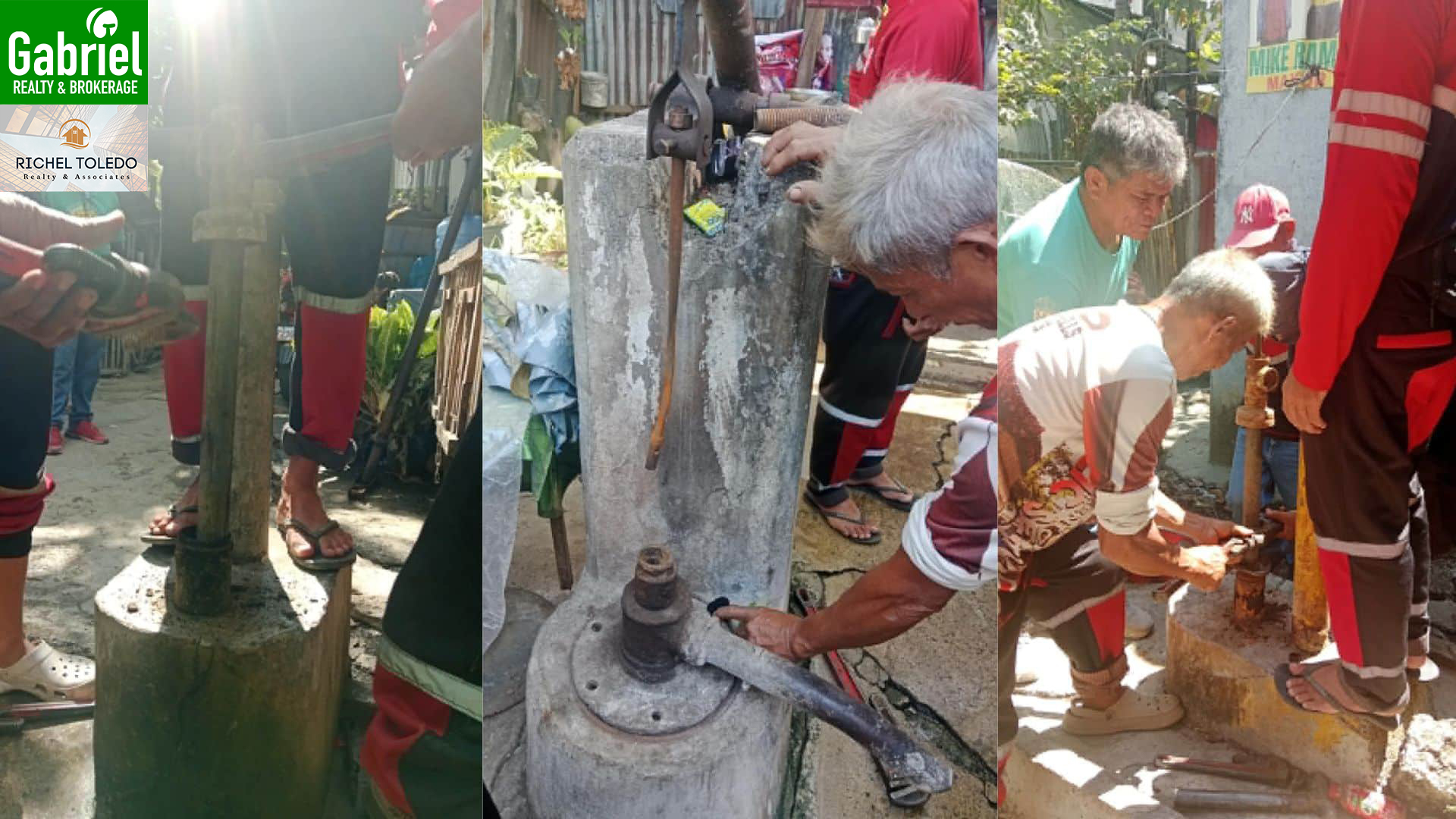
Cebu City Mayor Nestor Archival announced several measures to prepare for the anticipated effects of El Niño, including the rehabilitation of approximately 200 artesian wells.
According to the November 5 report by The Freeman, the city identified around 600 artesian wells that could serve as alternative water sources during possible interruptions in the regular water supply. Of these, approximately 400 were still functional, while the remaining 200 required repairs.
The city intends to restore these non-operational wells to increase the availability of alternative water sources when conventional distribution systems experience pressure or interruptions.
Artesian wells can provide an additional source of water for communities, particularly during periods when rainfall-dependent supplies become less reliable. However, their usefulness will also depend on the condition of the facilities, groundwater availability, and the suitability of the water for its intended purpose.
The rehabilitation program is therefore part of a broader effort to strengthen Cebu City’s preparedness rather than a replacement for the existing water distribution network.
City Requests an Additional 10 Million Liters of Water Daily
Aside from rehabilitating artesian wells, the Cebu City Government has requested MCWD to provide an additional 10 million liters of water per day, equivalent to 10 million liters daily or 10 MLD.
Mayor Archival said the additional supply would help augment the city’s water availability during the anticipated dry spell, particularly in condominium areas.
This request is relevant to Cebu’s growing residential landscape, where condominiums and other high-density developments rely on consistent water distribution to serve multiple households within a single property.
The mayor also discussed the possibility of negotiating a 30 percent reduction in the cost of purchased water. The report placed the current estimated purchase cost at around ₱62 per cubic meter. Reducing this expense could help the city manage the additional costs associated with securing supplementary water sources.
It is important to distinguish the city’s request from MCWD’s broader supply expansion plans. In an October 13 report by the Philippine Information Agency, MCWD was working to secure an additional 40.4 MLD, primarily through groundwater and desalinated water sources, to help offset projected reductions in surface-water production.
These are separate initiatives and should not be treated as one confirmed volume of additional water delivered to Cebu City. The actual effect on consumers will depend on the availability, timing, and distribution of these additional sources.
Siphon Systems and Water Filtration for Upland Communities
Another measure being considered by the Cebu City Government involves establishing siphon systems in the northern and southern upland areas.
The proposed systems would use pipelines and filtration facilities to collect and process water for drinking. This could help improve access to alternative water sources in communities that may experience supply difficulties during prolonged dry conditions.
The initiative highlights the importance of developing water infrastructure beyond the conventional distribution network. While major urban areas depend heavily on established utility connections, upland communities may require additional systems suited to their geographical conditions.
The effectiveness of these projects will depend on implementation, available water sources, filtration capacity, and the ability to maintain the facilities over time.
As of the November 5 report, the city had not allocated a separate calamity fund specifically for its El Niño preparations. The initial expenses would instead be covered through the existing regular budget.
This means that the proposed measures should be understood as preparations announced by the local government, not as proof that all infrastructure improvements have already been completed.
PAGASA Confirms a Very Strong El Niño Through the First Half of 2027
The preparations come as the Philippine Atmospheric, Geophysical and Astronomical Services Administration (PAGASA) confirmed on November 4, 2026, that a very strong El Niño was present in the tropical Pacific.
PAGASA expects the phenomenon to persist until the first half of 2027, with a possible peak toward the end of 2026.
El Niño is associated with warmer-than-normal ocean temperatures in the equatorial Pacific. Its effects can include below-normal rainfall, warmer temperatures, dry spells, and drought in affected areas.
PAGASA’s November outlook also warned that below-normal to way below-normal rainfall was expected across most parts of the country. The agency encouraged concerned sectors and local governments to implement water conservation and resource management measures.
Although El Niño does not mean that every location will experience continuous dry weather, the increased likelihood of rainfall deficits can place additional pressure on water resources.
For Cebu, this makes the timing of infrastructure preparations particularly important. Restoring alternative sources, improving distribution, and securing supplementary water supplies can help reduce the potential impact of prolonged dry conditions.
What El Niño Preparations Mean for Cebu’s Real Estate Sector
Water availability is an important consideration in evaluating residential and commercial properties. A development may offer convenient access to business districts, schools, hospitals, and transportation, but its everyday usability also depends on essential utilities.
For Cebu’s real estate sector, the city’s preparations raise several considerations.
Condominium Residents and Building Operations
Condominium developments depend on consistent water delivery for household consumption, sanitation, cleaning, and common-area maintenance. Buildings with multiple residential units may experience greater operational challenges when their regular supply becomes insufficient.
The city’s request for an additional 10 MLD, particularly for condominium areas, recognizes the importance of maintaining supply in high-density residential locations.
However, residents should not assume that the requested volume will automatically eliminate water interruptions. Actual service conditions will depend on the distribution network, the location of supplementary sources, and the capacity of individual buildings to manage their water requirements.
Property Buyers Should Consider Utility Reliability
Water availability deserves attention during property inspections and due diligence.
Prospective buyers should ask developers, property administrators, or condominium management offices about the building’s water source, storage capacity, backup arrangements, and procedures during service interruptions.
For house-and-lot buyers, it is also useful to understand the property’s existing water connection and whether alternative sources are available in the surrounding community.
These questions are particularly relevant for buyers planning to occupy a property as their primary residence. A property’s long-term convenience depends not only on its design and location but also on the reliability of the services supporting daily living.
Developers and Property Managers May Need Stronger Contingency Planning
Developers and property managers should consider how prolonged dry conditions could affect building operations.
Water storage systems, regular plumbing inspections, leak prevention, and responsible consumption policies can help properties manage supply interruptions more effectively.
For existing condominiums, property administrators may also need to communicate clearly with residents about conservation measures, emergency procedures, and the proper use of available water reserves.
These measures do not guarantee uninterrupted service, but they can help reduce unnecessary consumption and improve preparedness.
Water Security Is Becoming an Important Part of Cebu’s Urban Development
Cebu’s continued residential and commercial development increases the importance of dependable infrastructure. As more households and businesses rely on shared water distribution systems, the city must balance population growth, existing supply limitations, and the need to prepare for changing weather conditions.
The ongoing efforts to rehabilitate artesian wells, request additional MCWD supply, and explore siphon systems demonstrate how local infrastructure planning can affect the real estate environment.
The wider Metro Cebu water supply situation also involves projects beyond Cebu City’s immediate initiatives. MCWD’s plans to develop additional groundwater and desalinated water sources indicate that the response requires coordination between local governments and water utilities.
For property buyers and investors, this reinforces an important consideration: location value should be assessed alongside the reliability of essential utilities. Access to water, electricity, drainage, and other basic services contributes to the long-term usability and desirability of a property.
Cebu City’s El Niño preparations are an important step toward managing potential water shortages, but their success will depend on how quickly proposed improvements are implemented and how effectively additional resources reach communities.
Credited Sources: https://www.philstar.com/the-freeman/cebu-news/2026/11/05/2568063/cebu-city-braces-impact-el-nio-repair-wells