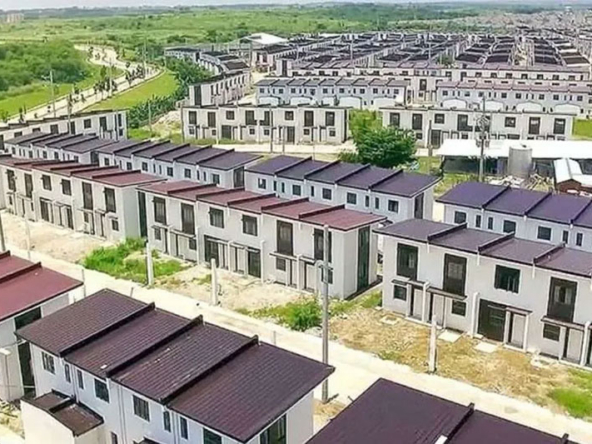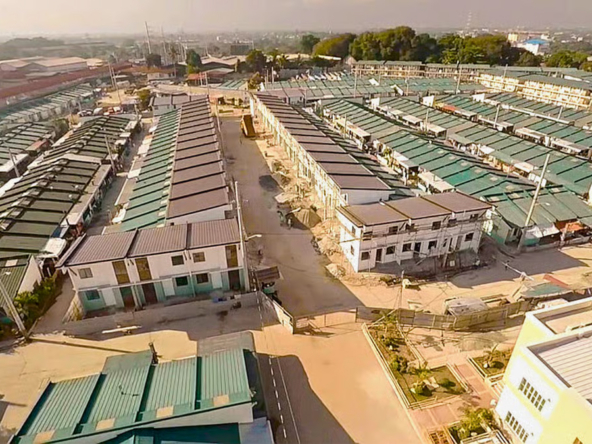
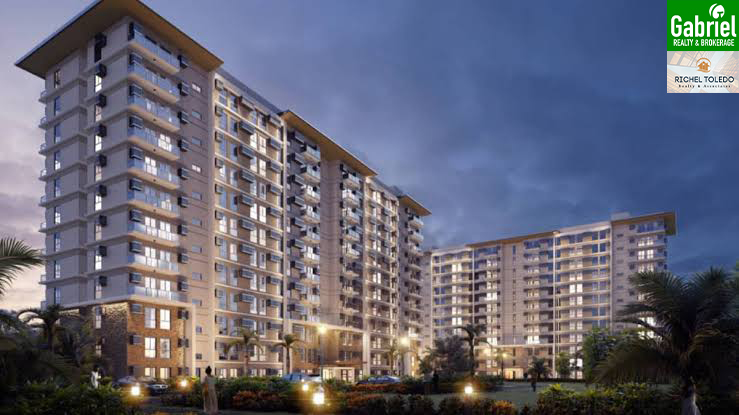
The Expanded 4PH Program is emerging as a potential way to address two challenges facing the Philippine housing sector: the growing inventory of unsold condominium units and the difficulty many Filipinos face in qualifying for homeownership.
According to Colliers Philippines, partnerships between major property developers, the Department of Human Settlements and Urban Development (DHSUD), and the Pag-IBIG Fund could help connect available housing inventory with qualified buyers. The initiative offers developers another channel to sell selected residential units while giving eligible Pag-IBIG members access to preferential rates and other housing incentives.
The development comes amid a prolonged slowdown in condominium sales, with high borrowing costs, inflation, and changing buyer preferences affecting demand. Although government-backed financing could help improve market activity, the long-term impact will depend on whether the available housing products match what Filipino households can afford and need.
What Is the Expanded 4PH Program?
The Expanded Pambansang Pabahay Para sa Pilipino (4PH) Program is a government housing initiative intended to widen access to affordable homes through partnerships with private developers and government financing institutions.
The program creates opportunities for qualified Pag-IBIG Fund members to access selected housing developments offered by participating developers. Under the agreements reported by DHSUD, developers will provide preferential rates and other incentives for eligible housing units.
Unlike a housing initiative that depends entirely on government-built projects, this arrangement brings private-sector housing inventory into the government’s broader homeownership efforts.
This approach can benefit both sides. Developers gain another potential market for selected unsold units, while qualified buyers gain access to housing options supported by government financing.
Pag-IBIG Fund has also raised its maximum loanable amount to ₱10 million, potentially broadening financing options for eligible borrowers. However, the maximum loanable amount should not be mistaken for an automatic loan approval. Applicants must still satisfy the applicable lending requirements and demonstrate their capacity to repay.
Five Major Developers Join the Government Housing Initiative
DHSUD identified five major property developers that signed memorandums of understanding with Pag-IBIG Fund to support the Expanded 4PH Program.
These are:
- Megawide Construction Corp.
- Ayala Land Inc., through its Amaia and Avida housing brands
- SM Development Corp.
- Filinvest Land Inc.
- Robinsons Land Corp.
Their participation brings selected private-sector housing developments into a wider government-supported financing channel.
The agreements are significant because these companies have established residential portfolios across different market segments. Their participation could help expand the range of housing options available to qualified members, although the actual projects, unit prices, and incentives will depend on the specific offers made available under the program.
For developers, the partnerships provide an additional opportunity to reach buyers who may not have considered their properties through conventional financing arrangements.
For homebuyers, the availability of preferential terms could make selected properties more accessible, subject to eligibility, project availability, and individual financial circumstances.
Why Philippine Condominium Sales Are Under Pressure
The government-developer partnerships come at a time when the condominium sector is experiencing a significant slowdown.
Joey Roi Bondoc, research director of Colliers Philippines, reported that acquisitions of pre-selling condominium units had declined by an estimated 67% to 70% year on year. He described the period as the weakest since Colliers began monitoring the market.
Bondoc cited approximately 3,000 pre-selling acquisitions during the first nine months of 2026. He also compared this with 13,000 condominium launches and 10,000 take-ups recorded in 2025. These figures refer to different market measures and reporting periods, but collectively illustrate the difficult conditions facing developers.
He also reported approximately 32,000 completed condominium units remaining unsold, highlighting the challenge of matching existing supply with effective demand.
Several factors are contributing to the slowdown.
Higher Mortgage Rates and Financing Costs
According to Bondoc, mortgage rates of around 7.7% to 7.8% have made property financing more expensive.
Higher borrowing costs increase the financial commitment required from buyers, particularly those purchasing through bank financing. Even households with stable income may find it more difficult to qualify for a loan or maintain the required monthly payments.
Inflation and Reduced Purchasing Power
Higher prices of everyday goods and services can leave households with less disposable income for property purchases.
When families prioritize essential expenses, saving for a down payment and maintaining long-term mortgage payments can become more difficult.
Changing Condominium Rental Demand
The exit of Philippine offshore gaming operators (POGOs) has also affected condominium rental demand in locations that previously accommodated workers employed by these operations.
Bondoc noted that Chinese POGO workers had contributed to demand for high-rise residential units in certain areas. Their departure, followed by the prohibition of offshore gaming operations, reduced one source of rental demand.
These conditions demonstrate that condominium performance depends not only on the number of units available but also on the strength of the rental market, purchasing power, and financing accessibility.
Why Government-Developer Partnerships Could Help Move Unsold Inventory
One of the main objectives of the Expanded 4PH partnerships is to create another route for selling existing residential inventory.
Instead of depending entirely on conventional private-sector sales, participating developers can offer selected housing units to qualified Pag-IBIG members through the program.
This could help address the mismatch between available properties and buyers who need more accessible financing arrangements.
For developers, selling existing units can help reduce inventory exposure and generate sales from properties that might otherwise take longer to absorb through regular market channels.
For the government, working with established developers can expand the range of housing options without relying exclusively on newly constructed public housing developments.
However, Colliers emphasized that long-term condominium demand will remain an important factor in determining how much relief the partnerships can provide.
Government-backed financing can improve access, but it cannot automatically resolve every issue affecting the market. Property prices, location, household income, employment stability, and the ability to sustain monthly payments will continue to influence actual demand.
Why Developers May Need to Focus More on House-and-Lot Developments
Another important observation from Colliers concerns the growing demand for house-and-lot developments outside Metro Manila.
This suggests that developers may need to reassess the types of residential properties they prioritize, particularly as buyer preferences change.
Condominiums remain relevant for households seeking locations near employment centers, commercial districts, and essential services. However, some buyers may prefer house-and-lot properties because of their additional space, privacy, and suitability for long-term family living.
For developers, this creates an opportunity to evaluate regional housing markets and determine whether their existing product offerings match local demand.
The distinction is particularly important when considering markets outside Metro Manila. Regional property markets have different land costs, household incomes, employment centers, infrastructure conditions, and housing preferences. A strategy that works in the capital region may not produce the same results in Cebu or other growing cities.
What the Expanded 4PH Program Could Mean for Cebu Real Estate
For Cebu, the government-developer partnerships provide an important reference point for how financing access and housing affordability can influence residential development.
Cebu’s property market includes condominium developments in urban centers, subdivision communities in surrounding cities, and housing projects intended for different income segments.
The reported condominium slowdown should not automatically be interpreted as evidence that Cebu has the same unsold inventory conditions as Metro Manila or the broader market tracked by Colliers. The figures cited in the October 29 report do not establish a separate Cebu inventory count.
Nevertheless, the broader issues are relevant to local buyers and developers.
For prospective homeowners, access to Pag-IBIG financing and preferential developer incentives may create additional opportunities to compare housing options. Buyers should still examine the property’s location, total contract price, equity requirements, monthly amortization, association dues, and other ownership expenses.
For developers operating in Cebu, the initiative highlights the importance of offering products that align with actual household purchasing capacity. Affordable pricing, appropriate unit configurations, accessible locations, and suitable financing arrangements can all influence whether a project attracts sustained demand.
The growing interest in house-and-lot developments outside Metro Manila also reinforces the importance of understanding regional buyer preferences rather than relying solely on national property trends.
Can Government-Developer Partnerships Revive the Philippine Housing Market?
The Expanded 4PH partnerships offer a practical way to connect private-sector housing inventory with qualified buyers. By combining developer participation with government-supported financing, the initiative could help improve access to selected residential properties while providing developers with an additional sales channel.
However, a lasting recovery in real estate sales will require more than moving existing inventory.
Buyers must be able to afford the properties being offered, developers must maintain sustainable project pricing, and financing institutions must continue to assess borrowers responsibly. Housing products must also reflect the needs of households in different locations and income brackets.
The collaboration between government and private developers is therefore a positive development, but its success will depend on actual buyer participation, the affordability of participating projects, and sustained demand.
For the Philippine real estate sector, the larger opportunity is to build a housing market where available inventory, financing options, and household purchasing power are better aligned.
Credited Sources: https://tribune.net.ph/2026/10/29/developer-govt-partnership-seen-reviving-dwindling-real-estate-sales-colliers