The Cebu property market continues to show resilience in 2026, supported by demand across office, residential, tourism and hospitality developments. While Philippine economic growth has slowed compared with 2025, recent property-market data indicate that Cebu remains one of the country’s major regional real estate centers.
The latest Visayas-Mindanao property report from Colliers highlights several factors supporting Cebu’s position, including a large business-services sector, continued condominium demand, infrastructure investment and expanding tourism activity.
Cebu Remains a Major Regional Property Market
Cebu’s real estate strength is closely connected to the wider economy of Central Visayas. The region continues to record strong economic activity despite slower national growth.
OFW remittances are also an important factor for residential demand. The BusinessMirror report noted that Philippine OFW remittances reached US$36 billion in 2025, while 17.1% of remittance-receiving households allocated money toward real estate purchases, the highest level recorded since the survey began.
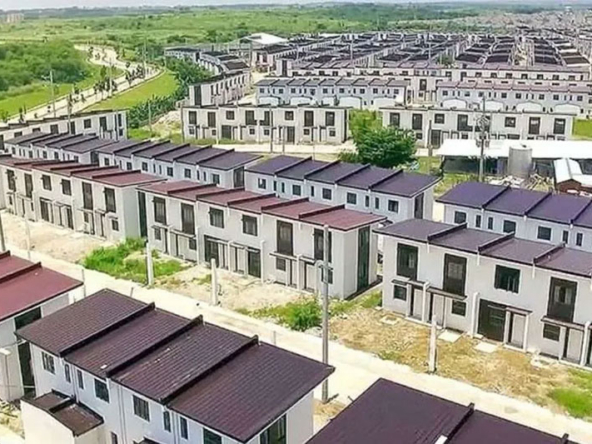
For Cebu, this creates an important pool of potential demand from families and investors who use remittances to purchase homes, condominiums and other property assets.
Infrastructure Could Shape Future Property Growth
Infrastructure remains one of the major factors influencing the long-term outlook for Cebu real estate.
The proposed Cebu-Bohol Bridge was identified by Colliers as a potential major catalyst for property values and investment activity in Central Visayas. Airport modernization, road improvements and other infrastructure projects are also expected to improve connectivity and support tourism and investment across the region.
For property buyers, infrastructure is important because improved accessibility can influence how residential, commercial and tourism-oriented areas develop over time.
Cebu’s Office Market Continues to Support Real Estate Demand
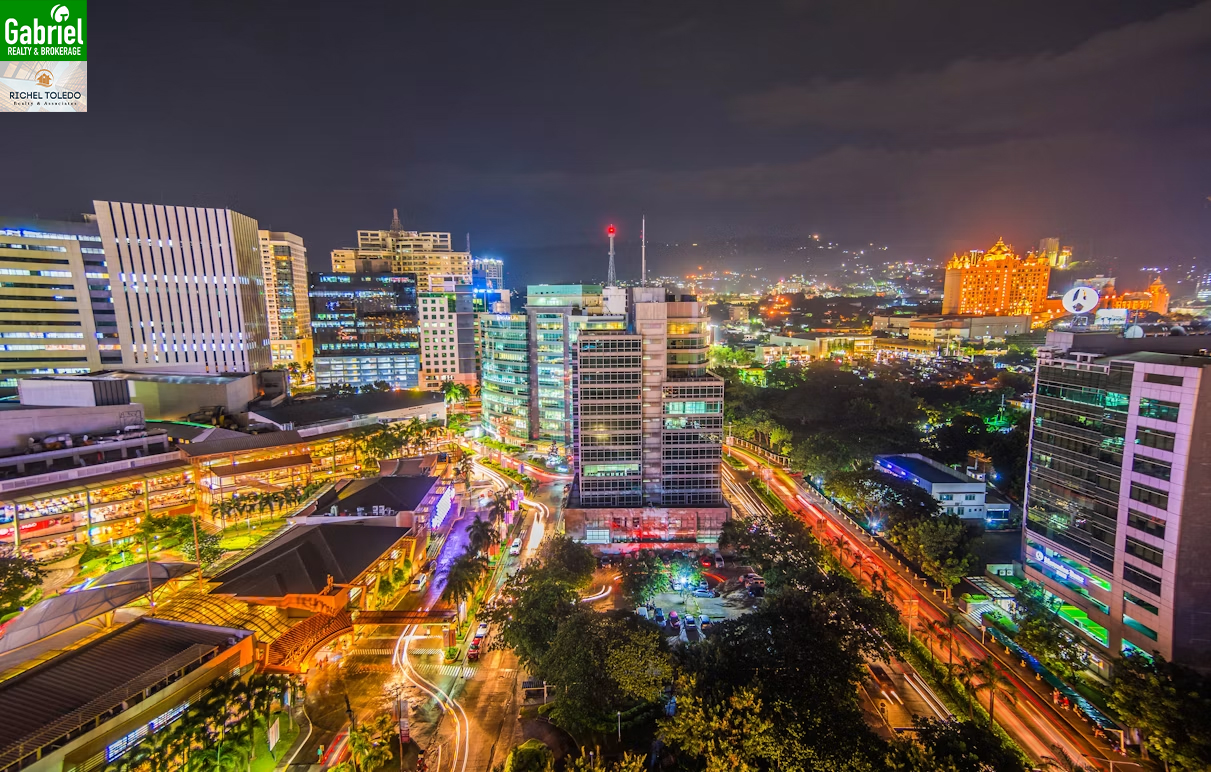
Cebu remains the largest office market outside Metro Manila, even though office transactions in the first quarter of 2026 were surpassed by Iloilo.
Colliers reported that Cebu had approximately 9,000 square meters of office transactions in Q1 2026, compared with Iloilo’s 16,000 square meters. However, Cebu continues to have the larger overall office inventory and a substantial pipeline of new developments.
The market is also becoming increasingly associated with higher-value outsourcing and shared-service operations. Companies in finance, software engineering, research and other specialized services continue to contribute to office demand.
This business activity matters to the residential market because employment centers such as Cebu IT Park and Cebu Business Park help create demand for nearby housing and condominium units.
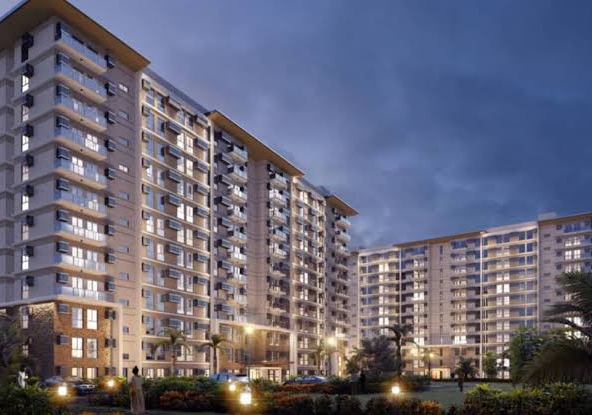
Condominium Demand Remains Significant
Cebu is also a major residential market within the Visayas and Mindanao region.
Colliers expects around 45,000 condominium units to be completed across VisMin from 2026 to 2029, with Cebu and Davao accounting for more than 60% of the projected supply. Despite this pipeline, Cebu condominium projects were reported to be approximately 86% sold, with an estimated inventory life of around three years.
This does not mean every condominium project will perform equally. Location, pricing, product type, developer track record, accessibility and the surrounding area’s demand remain important considerations for buyers.
For Cebu buyers, the broader numbers provide useful market context, but individual projects still need to be evaluated on their own merits.
Tourism Is Expanding Cebu’s Real Estate Landscape
Tourism is another important component of Cebu’s property market.
Demand for integrated leisure communities and tourism-oriented developments continues to attract attention in Cebu, Mactan and nearby destinations. The market also benefits from Cebu’s international airport connectivity and established tourism infrastructure.
The hospitality sector is expanding alongside tourism. Colliers projects approximately 7,900 new hotel rooms across Visayas and Mindanao between 2026 and 2029, with international brands expected to account for around 62% of the new supply.
For Cebu, continued hotel and tourism development can create additional demand for accommodation, commercial spaces, leisure properties and residential developments positioned in tourism-oriented locations.
What This Means for Cebu Property Buyers
The current market points to several interconnected forces shaping Cebu real estate: employment, residential demand, infrastructure and tourism.
For homebuyers, this means location remains particularly important. Properties with convenient access to employment centers, schools, hospitals, transportation and established commercial areas can benefit from the activity surrounding them.
For investors, the market data also reinforce the importance of evaluating actual project fundamentals rather than relying solely on broad market growth. Unit pricing, location, supply, target market, rental demand and the property’s intended use should all be considered before making a purchase.
Cebu’s property market is not defined by a single sector. Its office industry supports residential demand, infrastructure improves connectivity, and tourism creates additional opportunities for hospitality and leisure developments.
That combination continues to make Cebu an important real estate market to watch through 2026 and beyond.
Frequently Asked Questions:
Is Cebu still a major property market outside Metro Manila?
Yes. Colliers identifies Cebu as a leading regional property market and the largest office market outside Metro Manila.
Are condominium projects still in demand in Cebu?
Recent Colliers data indicate strong condominium sales in Cebu, with projects reported at approximately 86% sold despite a substantial pipeline of new units. Individual project performance can still vary considerably.
What factors are driving Cebu real estate?
The major factors identified in the latest market reports include office and outsourcing demand, residential activity, infrastructure development, OFW remittances and tourism growth.
Credited Sources: https://businessmirror.com.ph/2026/07/02/cebu-remains-one-of-phls-strongest-property-markets/