The issue of Central Visayas housing affordability is becoming increasingly important as demand for homes continues to grow while developers face higher costs and regulatory challenges.
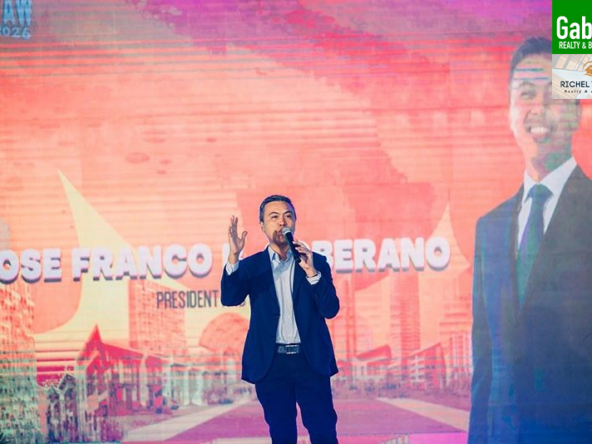
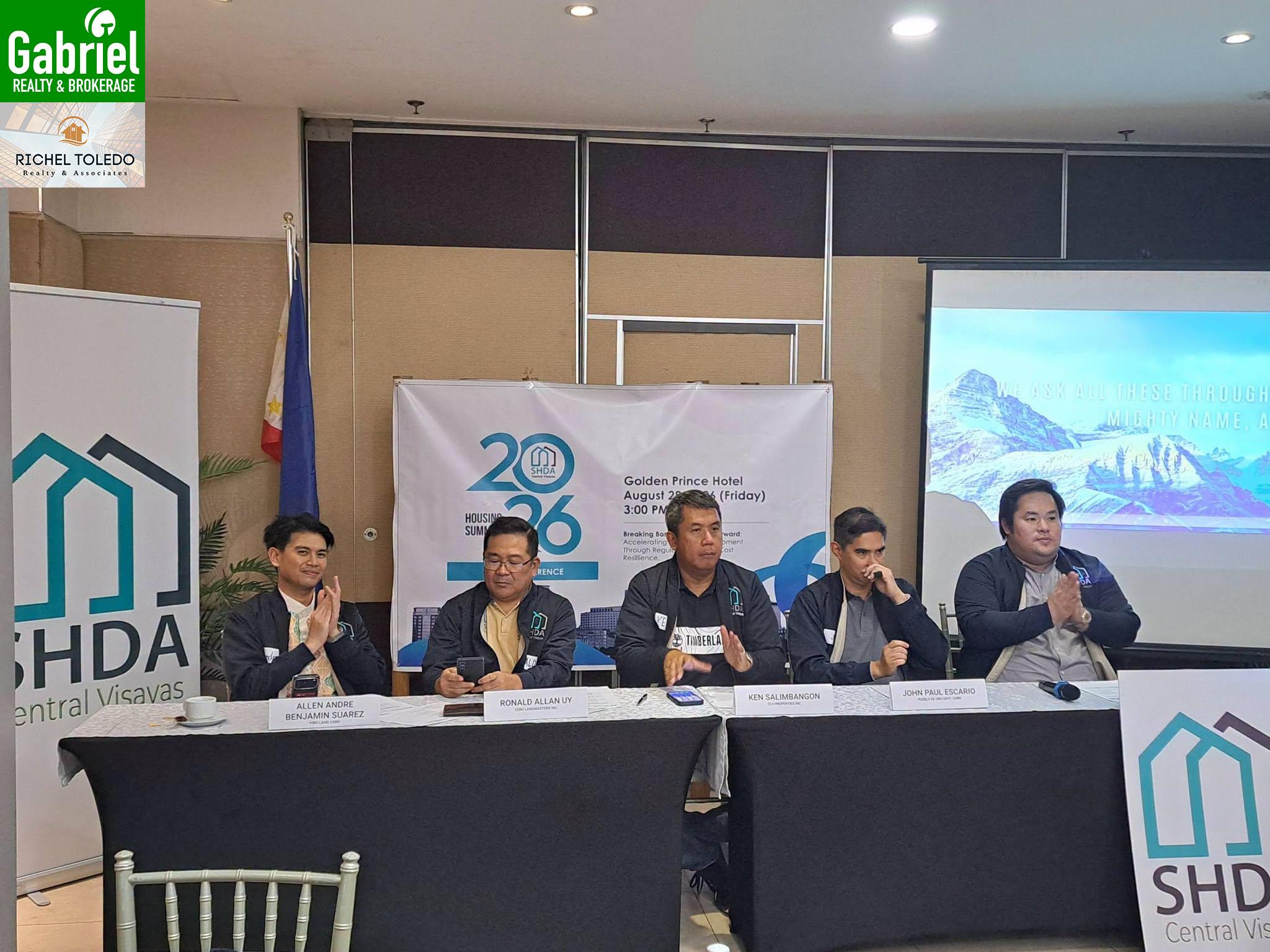
The Subdivision and Housing Developers Association (SHDA) Central Visayas brought these concerns to the forefront during its Housing Summit 2026 in Cebu on September 11. Developers, government representatives and other stakeholders discussed License to Sell processing, financing, land use, property valuation, infrastructure and utility requirements as factors affecting the delivery of new housing in the region.
The discussions highlight a challenge that extends beyond simply building more homes. Developers also need to deliver housing at prices that households can afford while managing the increasing cost of land, construction, financing and regulatory compliance.
LTS Delays Continue to Affect New Project Launches
One of the major concerns raised by developers is the processing of Licenses to Sell (LTS).
An LTS is required before developers can legally market and sell qualifying condominium units and subdivision properties. When approvals take longer, projects can remain in the pipeline even when developers are prepared to proceed with their launches.
SHDA Central Visayas officials said many developers had been unable to bring new projects to market because of LTS delays. The organization has been seeking closer coordination with government agencies and reforms that could make the approval process more efficient without weakening the protections provided to homebuyers.
The issue is significant because delayed launches can also affect the timing of new housing supply.
Rising Construction and Financing Costs Add Pressure
Regulatory delays are only one part of the affordability challenge.
Developers in Central Visayas are also dealing with inflation, higher construction expenses, expensive financing and rising land values. These costs affect the economics of developing new residential communities, particularly in highly urbanized areas.
SHDA Central Visayas officials have proposed several approaches, including lower-cost financing for qualified affordable housing projects. The group has suggested that government financial institutions such as the Development Bank of the Philippines, Land Bank of the Philippines and Pag-IBIG Fund could play a larger role in providing financing tied to housing affordability.
The objective is not simply to reduce developers’ expenses. Lower development and financing costs could potentially make it easier to deliver homes within price ranges accessible to more households.
Cebu’s Land Costs Are Part of the Challenge
Cebu remains one of the region’s major employment and investment centers, which continues to generate demand for housing.
The concentration of jobs and investments in Cebu City attracts workers from neighboring provinces and islands. At the same time, the cost of land within highly developed urban areas makes it increasingly difficult to introduce affordable housing projects in locations close to major employment centers.
This is contributing to greater interest in emerging areas outside the most established urban districts.
For developers, expanding into these locations can provide access to more affordable land. However, new communities also require adequate roads, drainage, electricity, water and other infrastructure.
Infrastructure Needs to Keep Pace With Housing
Housing development cannot be separated from the infrastructure supporting it.
SHDA Central Visayas has emphasized the need for better coordination between developers, local governments, utilities and other agencies as residential development expands into emerging areas.
Outdated comprehensive land-use plans, drainage systems and insufficient infrastructure can become constraints if housing demand grows faster than supporting services. The association has therefore called for infrastructure planning that anticipates future development rather than responding only after communities have already been established.
This is particularly relevant as Central Visayas looks beyond its established urban centers for future growth corridors.
Property Valuation Reform Is Another Concern
Developers are also monitoring the implementation of the Real Property Valuation and Assessment Reform Act (RPVARA).
The industry is concerned that changes in property assessments could affect real property taxes and other costs associated with owning and operating real estate.
RPVARA is therefore part of the broader discussion around housing affordability. While property valuation reform has objectives beyond the housing sector, changes in property-related costs can become another consideration for developers and property owners.
The issue was among the policy matters raised by SHDA Central Visayas during the housing summit.
Demand for Housing in Central Visayas Remains
Despite these challenges, demand for housing has not disappeared.
SHDA Central Visayas officials said affordable housing demand remains, although buyers have become more cautious amid economic uncertainty and higher living costs. This creates a difficult balance for developers: households need reasonably priced homes, while developers must also manage the increasing cost of delivering those homes.
This is why the affordability discussion is broader than simply asking developers to lower selling prices.
If land, construction, financing, utilities and regulatory costs continue increasing, developers may have fewer options for maintaining affordability without changing project design, location, financing structures or development models.
Where Could the Next Housing Growth Corridors Emerge?
Another important issue raised by SHDA is the need to identify and prepare the next areas of growth.
Central Visayas does not have to rely entirely on already congested urban centers to accommodate future housing demand. Emerging economic areas can potentially support new residential communities if they have the infrastructure and services necessary to make those communities viable.
This creates an opportunity for more coordinated development.
Instead of housing projects simply following population growth, government agencies, local governments, utilities and developers can work together to anticipate where employment, transportation and infrastructure are likely to expand.
For buyers, this could eventually mean more residential choices outside the most established parts of Metro Cebu and other Central Visayas urban centers.
What the Housing Summit Means for the Region
The Housing Summit 2026 did not present a single solution to Central Visayas’ housing challenges. Instead, it brought together several issues that are closely connected.
LTS processing affects when projects can enter the market. Land prices influence development costs. Construction and financing expenses affect project pricing. Infrastructure determines whether emerging locations can support new communities. Property valuation policies can influence the cost of owning and operating real estate.
SHDA Central Visayas has called for closer cooperation between the private sector and government to address these concerns. Following the summit, the association emphasized the need for clearer and more predictable regulation, stronger infrastructure planning and more efficient systems that can protect homebuyers without unnecessarily delaying legitimate projects.
For Central Visayas, the long-term question is therefore not simply how to build more houses, but how to create the conditions that allow quality and affordable housing to be delivered where people and economic opportunities are growing.
Credited Sources: https://qa.philstar.com/the-freeman/cebu-business/2026/09/01/2553219/housing-summit-2026-tackle-lts-delays-rising-costs-central-visayas